What Psychedelic-Assisted Therapy Really Looks Like: Beyond the Myths and Media
“A psychedelic experience without intention can be like planting seeds without tending to them—something may grow, but it’s less likely to flourish.”
In recent years, psychedelic-assisted therapy has moved from something whispered about in alternative wellness circles to a topic making headlines. Some people picture mystical visions and life-changing epiphanies. Others imagine something wild, unpredictable, or even unsafe.
The truth is that psilocybin-assisted therapy is neither a magic cure nor a reckless free-for-all. When done with intention, care, and professional guidance, it can be a grounded process of self-discovery and healing that goes far beyond the medicine itself.
It’s More Than Just Taking Psilocybin
Many people are surprised to learn that the medicine is only part of the journey. The heart of the work is in how you prepare, how you show up to the experience, and how you integrate what you learn afterward.
In a professional setting, psilocybin-assisted therapy unfolds in three main phases:
1. Preparation
We begin with conversations that explore your goals, history, and intentions. This is where we talk about what psilocybin can and cannot do, and we set a foundation of trust. This stage focuses on safety, clarity, and getting your mind and body ready for the journey ahead.
2. The Journey
This is the ceremonial or therapeutic session where psilocybin is taken. It happens in a protected, supportive environment, where you’re guided to explore whatever arises—whether that’s deep insight, emotional release, or quiet reflection. My role is not to control your experience, but to hold space, help you feel safe, and support you as you move through whatever comes up.
2. Integration
This is where the true transformation happens. Integration means taking the lessons, emotions, and insights from your journey and weaving them into your daily life. This may involve new perspectives, emotional shifts, or practical changes in your relationships, work, or self-care. Without integration, even a profound experience can fade without creating lasting change.
Why Intention Matters
A psychedelic experience without intention can be like planting seeds without tending to them—something may grow, but it’s less likely to flourish. When you approach this work with curiosity, honesty, and a willingness to face what’s within, psilocybin often meets you where you are and guides you toward where you need to be.
Safety and Ethics Come First
Psilocybin-assisted therapy is not for everyone. Certain medical conditions, mental health histories, or life circumstances may mean it’s best to wait or explore other approaches. Ethical practitioners will always screen clients carefully and work within safe, legal, and evidence-based frameworks.
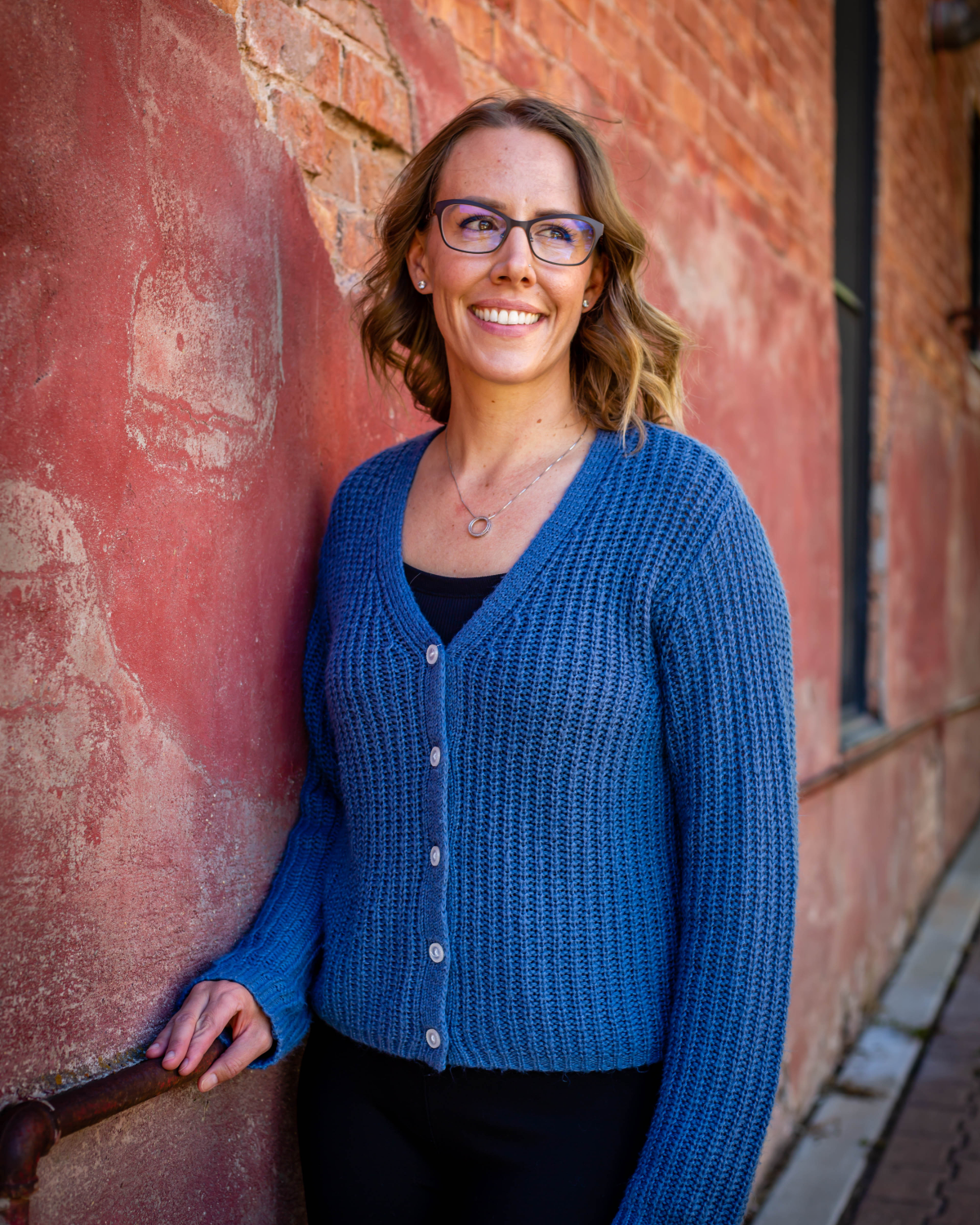
At New Awareness Healing, my commitment is to create a safe, supportive, and nonjudgmental space where your inner wisdom can emerge. My role is not to give you answers, but to walk alongside you as you uncover your own.
Why I Chose this Work
My path to this work was not a straight line. Like many people drawn to the healing arts, I came here through my own search for deeper understanding and relief from patterns that felt stuck. My first psilocybin experience, done in a therapeutic setting, changed how I saw myself and the world around me. It wasn’t just about visions or insight—it was about the lasting shift that came from truly meeting myself in a new way. That experience showed me how powerful this work can be when it’s approached with care and intention, and it inspired me to help others access the same kind of transformation.
A Final Word
Psilocybin-assisted therapy is not about chasing a peak experience. It is about creating real, sustainable change. It is a journey inward that can reveal new ways of seeing yourself, your relationships, and the world around you.
If you feel called to explore this path, know that you don’t have to do it alone. Healing, especially at the deepest levels, is a collaborative process, where the medicine, the therapeutic relationship, and your own inner strength work together.